
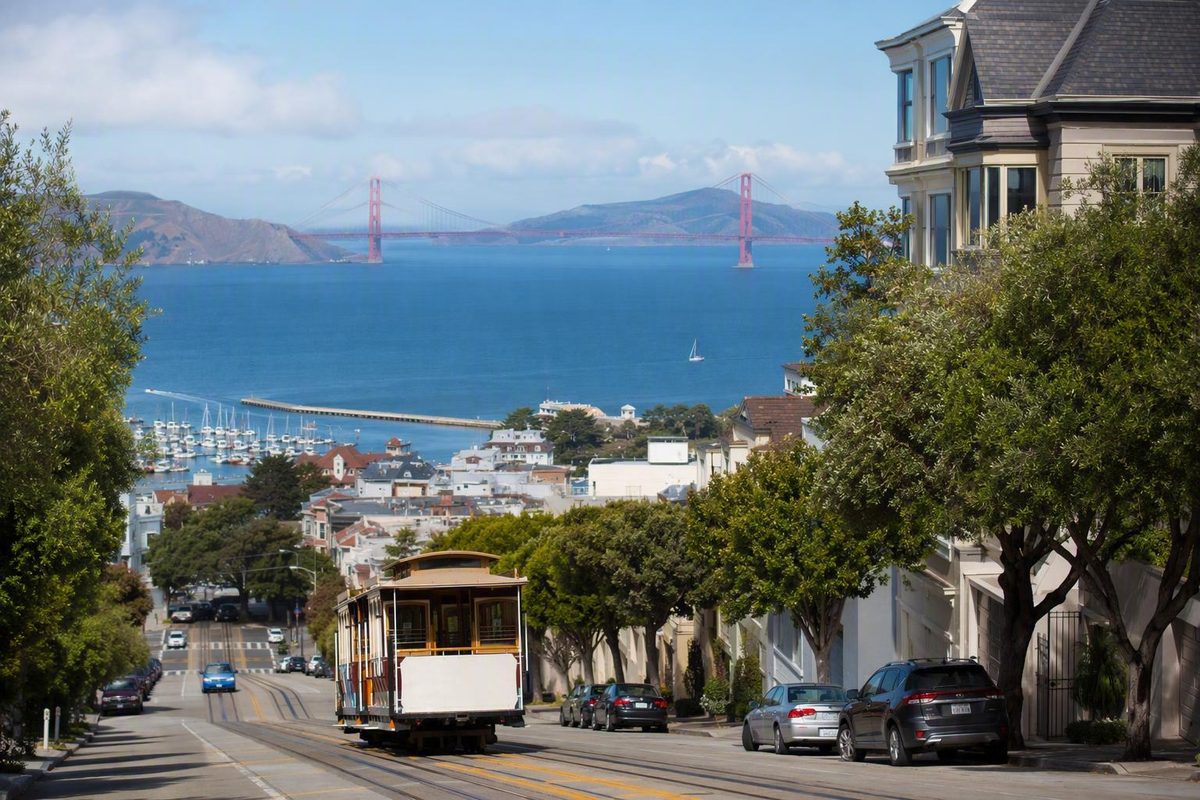
Start With a Three-Day Core, Then Adjust
Three full city days are a practical editorial baseline for a first San Francisco trip itinerary. That gives you time for the Golden Gate area, several distinctive neighborhoods, the northern waterfront, and one or two major attractions without making every day a race. Two days can cover selected highlights, but only with meaningful omissions or tighter pacing; one day is best treated as a highlights route rather than a complete visit. A longer stay makes sense for museums, extended meals, nightlife, photography, family pacing, limited mobility, or regional excursions (compare the trip-length guidance from Girl Eat World).
Count usable sightseeing days rather than hotel nights. A late arrival and early departure can turn a three-night stay into little more than two full days. Likewise, a schedule designed for an active traveler may need to be spread across additional days if you prefer museums, sit-down meals, or frequent breaks; one public-transit itinerary explicitly advises slower travelers to complete only part of its daily plan or extend the same stops across a longer stay (see the author’s pacing caveat).
This plan uses three geographic anchors:
- Chinatown, North Beach, and the northern waterfront. These areas connect naturally, with Alcatraz as an optional major block.
- The Marina waterfront, Crissy Field, the Presidio, and the Golden Gate Bridge. This becomes a one-way scenic day rather than a required out-and-back walk.
- Western or southern neighborhood clusters. Alamo Square, Haight-Ashbury, and Golden Gate Park form one cluster; the Mission and Castro form another.
Each day includes a comfortable core and optional additions. The relaxed versions favor one or two connected areas, meals, and pauses. The demanding versions add another neighborhood, hill, or attraction but require faster movement or shorter stops. A later section shows which complete clusters to remove or add for trips lasting one through five days.
This structure matters because San Francisco is compact on a map but not uniformly easy to traverse. A short line between landmarks can conceal a steep street, stairs, wind exposure, or a transit transfer. Conditions may also differ between the waterfront, western neighborhoods, and the Mission. Plan by effort and connection, not merely by apparent distance.
Treat the following as first-visit anchors, not an inflexible checklist:
- The Golden Gate Bridge, Presidio, or nearby waterfront
- At least one neighborhood-focused day
- Chinatown and North Beach if their food, architecture, or street life interest you
- One substantial attraction or museum that matches your priorities
Alcatraz, Pier 39, beaches, museums, and regional excursions are choices. None needs to be included simply because it appears on a conventional landmark list. A satisfying trip comes from selecting compatible modules rather than rushing through all of them.
Choose a Base That Matches the Route
There is no universal best neighborhood for a San Francisco hotel. The more useful question is: Which base makes your itinerary easier? Compare transit access, hills, atmosphere, hotel supply, and the areas you expect to revisit after dinner.
Union Square has a large concentration of hotels and useful connections for downtown starts. It works well if you want to begin in Chinatown, reach the Ferry Building, or use transit toward other parts of the city.
Nob Hill is central to downtown and North Beach and can be convenient for cable-car corridors. Its main trade-off is elevation. A route that appears simple from a Nob Hill hotel may end with an unwelcome climb, so consider taking transit back rather than treating every hotel return as another walking segment.
Fisherman’s Wharf or North Beach makes sense when Alcatraz, Pier 39, waterfront meals, or early northern sightseeing are priorities. You can begin Day 1 close to its middle or end.
The Marina or Lombard Street motel area provides convenient access to the Palace of Fine Arts, Presidio, Crissy Field, and Golden Gate waterfront. Some properties in this broader area have offered included parking, but that is a property-specific arrangement that should be confirmed directly before booking. This base is less direct for downtown sightseeing and the Mission.
Your lodging base should also change the order of the itinerary:
- Downtown or Union Square: Begin Day 1 in Chinatown.
- North Beach or Fisherman’s Wharf: Start with Day 1 or Day 2, depending on the forecast and any Alcatraz reservation.
- Marina: Begin with Day 2 if bridge conditions appear favorable.
- Mission or another southern base: Start with Day 3 and reverse its sequence if useful.
- Western neighborhoods: Begin with Golden Gate Park or Haight-Ashbury, then use transit rather than crossing the city twice.
Do not force every day to begin at the first stop as written. Join the route at the nearest logical point, move in one direction, and use transit for the return. The publisher’s related guide to choosing a San Francisco neighborhood base offers another way to compare lodging by hills, transit, and the areas you expect to revisit.
Day 1: Chinatown, North Beach, the Waterfront, and Alcatraz
This day moves north and then downhill toward the bay:
Chinatown → North Beach → northern waterfront → Alcatraz or the Embarcadero
It works especially well from a downtown base and avoids repeatedly returning to the same streets.
Morning: Chinatown
Begin near Dragon’s Gate, then follow Grant Avenue, Stockton Street, or a combination of both. Grant offers a straightforward first-time route, while Stockton provides a busier market-oriented counterpart. Explore side streets when something catches your attention rather than turning every alley into a compulsory detour.
Make breakfast or an early lunch part of the route. Choose dim sum, buns, tea, noodles, or a bakery stop according to appetite, opening status, and queue length. There is no need to identify one restaurant as objectively best; the practical choice is a place that fits your route and has room when you arrive.
Leave enough time to notice the architecture, groceries, shopfronts, and contrast between the main corridors. If Alcatraz gives you a fixed check-in time, leave Chinatown with a generous buffer instead of squeezing in one final stop.
Late morning or lunch: North Beach
Continue toward Columbus Avenue and Washington Square. North Beach works well for coffee, Italian food, bookstores, or a sit-down lunch before the waterfront. Choose one or two of those experiences rather than treating the neighborhood as a corridor to the next attraction.
Coit Tower is an optional detour, not a required part of the route. Adding it introduces more climbing and takes time away from North Beach or the waterfront. If you also intend to see Lombard Street and visit Alcatraz, including Coit Tower creates a considerably faster and more strenuous day.
Afternoon: Select the waterfront experiences that matter
Descend toward Fisherman’s Wharf, Pier 39, or Pier 33. The waterfront does not need to become a sweep through every attraction. Select stops according to your interests:
-
Pier 39 for bay views, shops, or sea lions if they are present
-
Ghirardelli Square for a break or food stop
- A waterfront meal
- Alcatraz ferry logistics
- A walk along part of the Embarcadero
If Lombard Street matters to you, insert it before reaching the waterfront and recognize the trade-off. Chinatown, North Beach, Coit Tower, Lombard Street, broad wharf sightseeing, and Alcatraz do not combine into a relaxed day.
Option A: Make Alcatraz the afternoon or evening anchor
Treat Alcatraz as a substantial itinerary block that includes check-in, ferry travel, the island visit, and the return. Going’s itinerary guide identifies Pier 33 as the departure point, but check-in procedures, sailing times, accessibility arrangements, and tour rules are operational details that should be verified with the responsible operator before travel (review the guide’s Alcatraz planning details).
Reserve ahead when Alcatraz is a priority because tickets may sell out. Avoid relying on a fixed universal booking window, and do not assume a day or night visit is categorically better. Choose according to availability, daylight, weather exposure, and the amount of evening energy you want to preserve.
After returning, have dinner near the northern waterfront, North Beach, or your hotel. There is no need to add the Ferry Building merely to complete a list.
Option B: Skip Alcatraz and continue along the Embarcadero
Without Alcatraz, walk or use the historic F streetcar along part of the waterfront toward the Ferry Building. Stop only at piers and viewpoints that interest you. This version creates more space for North Beach, a longer meal, or one optional hill detour.
The Ferry Building is a natural finish because it combines food options with onward transit connections. A detailed downtown route reports public bathrooms at both Ghirardelli Square and the Ferry Building, but amenities and access can change, so confirm availability when you arrive rather than treating either as guaranteed (see the route’s amenity notes).
Choose your pace
Relaxed: Chinatown, North Beach, and either Alcatraz or an unhurried waterfront visit. Skip Coit Tower and Lombard Street unless one is a top priority.
Moderate: Chinatown, North Beach, selected wharf stops, and Alcatraz.
Demanding: Add one cable-car segment, Lombard Street, Coit Tower, or the Ferry Building to the fuller route. Choose one addition, not all of them, and shorten neighborhood time accordingly.
Day 2: A One-Way Golden Gate Waterfront Day
Build the day around a simple principle: move toward the bridge without requiring yourself to retrace the entire waterfront. A separate return plan makes the outing easier to shorten when wind, fatigue, or visibility changes.
Morning: Palace of Fine Arts or a Marina meal
Begin near the Marina’s flatter waterfront edge. Visit the Palace of Fine Arts if its architecture and grounds interest you, or start with breakfast or an early lunch nearby. This is preparation for the scenic anchor, not an invitation to add unrelated neighborhoods.
Continue toward Crissy Field with the water and bridge ahead of you. Pause where the view opens up instead of trying to collect every possible photo angle.
Midday: Crissy Field and the bridge area
Follow the waterfront through Crissy Field toward the Presidio and city-side bridge viewpoints. The Golden Gate Bridge can be the visual destination without becoming a full crossing. Many visitors will be satisfied with the waterfront, nearby overlooks, and time around the city-side end.
No itinerary can guarantee a clear view. Fog, wind, and rain may affect visibility or comfort, and the waterfront can feel cooler than neighborhoods farther inland. Carry a light layer and water, wear comfortable shoes, and keep the day bag small.
For a moderate route, start around the Palace of Fine Arts, continue through Crissy Field, and finish near the city-side bridge area. From there, use the current transit planner or a taxi or ride-hail rather than automatically walking back. The publisher’s one-direction Golden Gate waterfront guide explains this flexible structure in more detail.
A lower-effort version begins closer to the Presidio or bridge area, includes one short waterfront segment, and ends at a practical pickup or transit point. Lower effort does not automatically mean accessible: surfaces, slopes, stops, elevators, and temporary conditions vary. Travelers with specific mobility needs should consult current route- and attraction-specific accessibility information before setting out.
Decide whether to cross
A full bridge crossing is optional. Choose it if conditions are comfortable, your group is moving well, and the crossing itself is a priority. Otherwise, spend more time in the Presidio or return from the city side.
Active travelers can consider cycling across the bridge and continuing toward Sausalito, with a ferry used for part of the return. That is a separate outing rather than a faster version of the walk. It depends on cycling confidence, wind, weather, equipment arrangements, ferry availability, and current operator rules.
Add no more than one western extension
If you still have time and energy, choose one substantial extension:
- Lands End for a trail-oriented coastal outing
- Baker Beach for a scenic coastal stop
- Part of Golden Gate Park for a selected garden, museum, or outdoor area
Do not make all three automatic additions. Lands End can become a substantial walk. A beach visit may be cold and windy rather than conventional beach time. Golden Gate Park deserves a specific destination instead of a rushed pass-through.
Weather pivot
If fog, heavy wind, or rain makes the bridge outing unappealing, substitute an indoor or food-focused block:
- Ferry Building
- SFMOMA
- Exploratorium
- California Academy of Sciences
- Another museum that matches your interests
- A longer Chinatown, North Beach, or Mission food stop
Then try the bridge during the clearest available forecast window later in the trip. Do not build the schedule around a promise that fog will lift at a particular hour.
Relaxed: Begin close to a Presidio or bridge viewpoint, take one short scenic segment, and return for a Marina meal.
Moderate: Palace of Fine Arts, Crissy Field, and the city-side bridge area, with a separate return.
Demanding: Cross the bridge, plan a bike-and-ferry outing, or add one major western extension.
Day 3: Choose Depth or Coverage Across the Western and Southern Neighborhoods
Alamo Square, Haight-Ashbury, Golden Gate Park, the Mission, and the Castro can appear in one fast itinerary, but they do not form a relaxed day. Meals, park time, museum visits, and cross-city transit quickly make the combined version demanding.
The faster west-to-south route
Begin at Alamo Square. Treat the Painted Ladies as a scenic stop rather than the sole justification for a long cross-city detour. Enjoy the park and surrounding streets, take the photograph you came for, and continue.
Move next toward Haight-Ashbury. Focus on street atmosphere, architecture, independent shops, cafés, or food. Give yourself a reason to be there beyond photographing a single intersection.
Continue into Golden Gate Park, but choose one destination. The park is large enough that “see Golden Gate Park” is not a useful instruction. Select a museum, garden, conservatory, lake, or outdoor area, then stop. A museum may occupy most of a half day and should replace other stops rather than sit on top of them.
After the park, use Muni or another practical connection to reach the Mission. Use the live trip planner for the precise connection from your chosen park exit; do not walk the entire cross-city segment merely because the neighborhoods appear loosely connected on a map.
In the Mission, choose among murals, neighborhood food, and Dolores Park. Mural access, park conditions, businesses, and street activity can change, so keep the route flexible. A slower meal may be a better use of the evening than another checklist stop.
Finish in the Castro only if your group still has energy. It works as an optional evening extension for dining, nightlife, history, or a neighborhood walk. It should not become a compulsory final task after an already full day.
Two better relaxed alternatives
Western cluster: Alamo Square → Haight-Ashbury → Golden Gate Park
This version suits travelers interested in architecture, shopping, park time, gardens, or museums. It also gives Golden Gate Park enough space to feel like a destination. Use transit at the beginning or end rather than adding long hotel walks.
Southern cluster: Mission → Dolores Park → Castro
This version supports a slower meal, murals, cafés, shops, and an optional evening extension. Begin in the Mission, adjust the day to current conditions and your interests, and continue toward the Castro if desired.
The split versions are better suited to slower travelers, families, and visitors who prefer museums or sit-down meals. The combined route is appropriate only when broad coverage matters more than depth.
Relaxed: One cluster, with a substantial meal or museum.
Moderate: Alamo Square, Haight-Ashbury, and one selected part of Golden Gate Park.
Demanding: Alamo Square, Haight-Ashbury, part of Golden Gate Park, transit to the Mission, and an optional Castro evening.
Turn the Core Into a 1-, 2-, 4-, or 5-Day Itinerary
The best way to shorten a trip is to remove complete clusters. The best way to lengthen it is to separate crowded days rather than simply adding more attractions.
One day: northern highlights
Choose Chinatown, North Beach, and the northern waterfront. Add a cable-car or historic-streetcar segment where it helps with a hill or waterfront connection.
Include Alcatraz only if it is a top priority, and remove several other stops to make room. A workable Alcatraz day might include Chinatown, a short North Beach visit, and the ferry. It should not also promise Coit Tower, Lombard Street, every wharf attraction, and the Ferry Building.
Keep: One neighborhood pair and one waterfront anchor. Remove: Golden Gate Park, the Mission, and broad Golden Gate sightseeing.
Two days: classic neighborhoods plus the bridge
Day 1: Chinatown, North Beach, selected waterfront stops, and optional Alcatraz.
Day 2: Golden Gate Bridge, Presidio, and Crissy Field, plus either one western park stop or the Mission. Do not add both unless you accept a demanding day with less time in each place.
Keep: The northern and Golden Gate clusters. Remove: Most of Day 3, or retain only one component from it.
Three days: the complete core
Follow the three days in this article, choosing the relaxed, moderate, or demanding version of each. If Alcatraz is reserved for a particular day, rotate the sequence around that booking and the weather forecast.
Keep: All three geographic anchors. Optional: Alcatraz, museums, beaches, a Castro evening, and hill detours.
Four days: create depth
Use the extra day to repair the most crowded part of the core:
- Separate Golden Gate Park from the Mission
- Add a dedicated museum and neighborhood day
- Spend more time in the Mission and Castro
- Give Lands End or another western coastal area its own block
- Choose one Marin excursion
A fourth day generally improves the trip more when it creates depth than when it introduces a distant destination.
Five days: add flexibility or one excursion
Keep four city-focused days, then use the fifth for one of the following:
- Sausalito
- Muir Woods
- A missed city cluster
- Museums
- Food-focused neighborhoods
- Weather recovery for the Golden Gate outing
Sausalito is a comparatively simple waterfront extension that can be paired with a ferry, subject to current schedules and departure points. Muir Woods is a nature-focused outing that requires advance research into current reservations and transportation; do not assume that a headline driving time represents the complete door-to-door trip.
Regional itineraries allocate full days to wine country and Yosemite, illustrating why these should be treated as separate excursions rather than casual additions (compare the day allocation in this regional itinerary).
Essential versus optional
| Priority | Keep | Remove first when time is short |
|---|---|---|
| Essential geographic anchors | Golden Gate–Presidio area; at least one neighborhood-focused day | Extra viewpoints and duplicate waterfront walks |
| Strong first-visit cluster | Chinatown–North Beach–northern waterfront | Coit Tower or Lombard Street when hills and timing are tight |
| Interest dependent | Alcatraz, Pier 39, museums, beaches | Any attraction that does not match your interests |
| Best with more time | Golden Gate Park, Mission, Castro, Lands End | Entire secondary clusters rather than brief token visits |
| Regional additions | Sausalito or Muir Woods | Wine country or Yosemite when city time is limited |
Use Transit to Manage Hills, Not Just Distance
You do not need a rental car for this itinerary. Use walking within compact clusters, Muni for cross-city movement, cable cars for selected corridors and the experience, the historic F streetcar for the Market Street–Embarcadero corridor, ferries for relevant bay trips, and occasional taxis or ride-hailing when fatigue or a final hill makes them worthwhile.
Muni is the city transit network rather than a single type of vehicle. The official SFMTA transportation hub provides a multimodal trip planner, Muni information, service alerts, accessibility resources, and links to regional systems. Check it on each travel day because diversions and service changes can alter an otherwise sensible route.
Understand the modes before using them:
- Cable cars operate on limited corridors. They function as both transportation and an attraction, but they do not form a citywide network.
- Historic streetcars are different vehicles. The F line serves Market Street and the Embarcadero.
-
Muni rail and buses handle much of the neighborhood-level movement needed for this itinerary.
-
Ferries serve specific bay destinations and attractions under current operator schedules and rules.
The best payment method or pass depends on current fares, how often you expect to ride, and whether cable cars are part of the plan. Do not buy a pass using an old travel-blog price. Compare current official fare and payment information shortly before travel.
Apply transit strategically:
- Use a cable car when it replaces a climb and fits the direction of travel.
- Use the F streetcar for a suitable portion of the Embarcadero.
- Use Muni between the western neighborhood cluster and the Mission.
- For a shorter Golden Gate day, plan a transit or drop-off point near the Presidio or bridge area and walk only one selected segment.
- Use a taxi or ride-hail when the final hill would turn a good day into an endurance test.
Renting a car solely for city sightseeing can introduce parking and driving complications without improving these routes. If you arrive with a vehicle, confirm the property’s parking arrangement before booking and consider leaving the car parked during city sightseeing.
For limited mobility, reduce the size of each cluster and replace steep or cross-city walks with transit where practical. Do not assume a route is suitable for wheelchairs, strollers, or every mobility need. Check current information for the specific vehicles, stops, paths, elevators, and attractions you intend to use.
Book the Anchors, Pack for Change, and Keep a Backup Plan
Organize preparation into three tiers.
Reserve early
Book Alcatraz first if it is central to the trip. Do the same for any limited-capacity tour, performance, or special experience whose absence would materially change your itinerary. Availability varies, so avoid relying on a fixed universal booking window.
Verify shortly before travel
Recheck:
- Museum and attraction hours
- Admission and entry rules
- Ferry schedules and departure points
- Tour check-in instructions
- Accessibility information
- Holiday meals and closures
- Transit routes, fares, and disruptions
Operational details change. Treat every timetable, fare, facility, and opening rule as something to confirm through the responsible operator.
Keep flexible
Parks, neighborhood walks, murals, general viewpoints, and food exploration usually work best as movable blocks. Shift them according to weather, energy, and live conditions.
Carry light layers and wear comfortable shoes. Hills, wind, fog, and neighborhood-level temperature differences can make the same outfit feel suitable in one area and inadequate in another. Treat beaches primarily as scenic coastal stops rather than assuming warm swimming conditions; independent visitor guidance similarly cautions that San Francisco’s beaches and waterfront may be cold or windy (see California Crossroads’ weather and beach guidance).
Maintain an indoor substitution list:
- Ferry Building
- SFMOMA
- Exploratorium
- California Academy of Sciences
- Another museum aligned with your interests
- A neighborhood food stop or longer meal
If the bridge is hidden or the waterfront is unpleasant, move that outing to the clearest available forecast window. Do not wait for a supposedly guaranteed clearing time.
Use three qualitative effort labels:
- Relaxed: One compact cluster, with pauses and a meal
- Moderate: Two connected clusters with transit between them
- Demanding: Multiple clusters, major hills, long outdoor segments, or several fixed-time attractions
A useful editorial pacing rule is one major anchor per half day. Leave room for meals and transit, and remove optional detours as soon as the group slows down. Skipping one hill or secondary attraction is better than carrying fatigue through the rest of the itinerary.
Use restrained situational awareness. Keep phones, wallets, and bags controlled in crowded places, remove valuables from parked vehicles, and leave nothing visible inside. These are general visitor precautions rather than judgments about particular neighborhoods (see the practical precautions summarized by California Crossroads).
Before departure, check:
- [ ] Alcatraz and other priority reservations
- [ ] Current attraction hours and entry rules
- [ ] Ferry and tour schedules
- [ ] Muni route plan and live service alerts
- [ ] Route-specific accessibility information where needed
- [ ] Light layers and weather protection
- [ ] Comfortable footwear
- [ ] Water and a light day bag
- [ ] One indoor backup stop
- [ ] A realistic plan for arrival and departure days
Begin with the three-day core, and choose the relaxed version whenever a day contains more than two major clusters. Use transit before hills or cross-city transfers turn sightseeing into endurance. With less time, remove complete areas rather than compressing every landmark. With more time, separate Golden Gate Park from the Mission or add one carefully planned Marin outing. Finalize Alcatraz first, rotate the day order around your lodging base and forecast, and verify operational details shortly before travel.
Frequently Asked Questions
Are three days enough for a first trip to San Francisco?
Yes. Three full city days provide a practical introduction to the northern neighborhoods and waterfront, the Golden Gate–Presidio area, and one western or southern neighborhood cluster. You will still need to choose among museums, Alcatraz, beaches, and secondary viewpoints.
Two days can work for selected highlights but require omissions or faster pacing. Four or five days create room for slower meals, museum time, weather flexibility, and a possible Marin excursion (compare the broader trip-length framework).
Can I follow this San Francisco itinerary without renting a car?
Yes. The itinerary is designed around walking, Muni, cable cars, the historic F streetcar, ferries, and occasional taxis or ride-hailing. Use transit for steep climbs and cross-city transfers rather than walking every segment.
Check SFMTA’s planner and alerts each day. BART and Caltrain are useful for regional connections, while Muni is generally more relevant for neighborhood sightseeing.
Where should Alcatraz fit in the itinerary?
Place it on Day 1 with Chinatown, North Beach, and the northern waterfront. Treat it as the major attraction for that half of the day rather than a quick stop between several hill detours.
Reserve ahead when it is a priority. Before departure, verify the departure point, check-in procedure, sailing time, accessibility arrangements, and current tour details with the responsible operator. If the reservation falls on another day, rotate the itinerary instead of crossing the city repeatedly.
What should I do if fog or rain disrupts the Golden Gate day?
Move the bridge outing to the clearest available forecast window. Replace it temporarily with the Ferry Building, SFMOMA, the Exploratorium, the California Academy of Sciences, another museum, or a neighborhood food block.
If conditions are merely cool rather than severe, shorten the waterfront route: begin near a Presidio or bridge viewpoint, walk one scenic segment, and return by transit or ride-hailing. Never build the day around a promise that fog will clear at a particular hour.
Should I use an extra day for Sausalito, Muir Woods, wine country, or more of San Francisco?
For many first-time visitors, another city day provides the greatest flexibility. It lets you separate Golden Gate Park from the Mission, add a museum, revisit the bridge in better weather, or explore a neighborhood at a slower pace.
Choose Sausalito for a comparatively straightforward waterfront extension, subject to current ferry schedules. Choose Muir Woods when nature is a priority and you are willing to research current reservations and transportation. Wine country generally replaces a full city day. If you have only four days and several San Francisco interests remain, stay in the city; with five days, one carefully chosen Marin excursion is easier to justify.